
- English
- 简体ä¸æ–‡
- Español
- Português
- ру��кий
- Français
- 日本語
- Deutsch
- tiếng Việt
- Italiano
- Nederlands
- ภาษาไทย
- Polski
- í•œêµì–´
- Svenska
- magyar
- Malay
- বাংলা à¦à¦¾à¦·à¦¾à¦°
- Dansk
- Suomi
- हिन�दी
- Pilipino
- Türkçe
- Gaeilge
- العربية
- Indonesia
- Norsk‎
- تمل
- �eský
- ελληνικά
- україн�ький
- Javanese
- �ارسی
- தமிழ�
- తెల�గ�
- नेपाली
- Burmese
- българ�ки
- ລາວ
- Latine
- Қазақша
- Euskal
- Azərbaycan
- Slovenský jazyk
- Македон�ки
- Lietuvos
- Eesti Keel
- Română
- Slovenski
- मराठी

How Industrial Base Fabric Works?
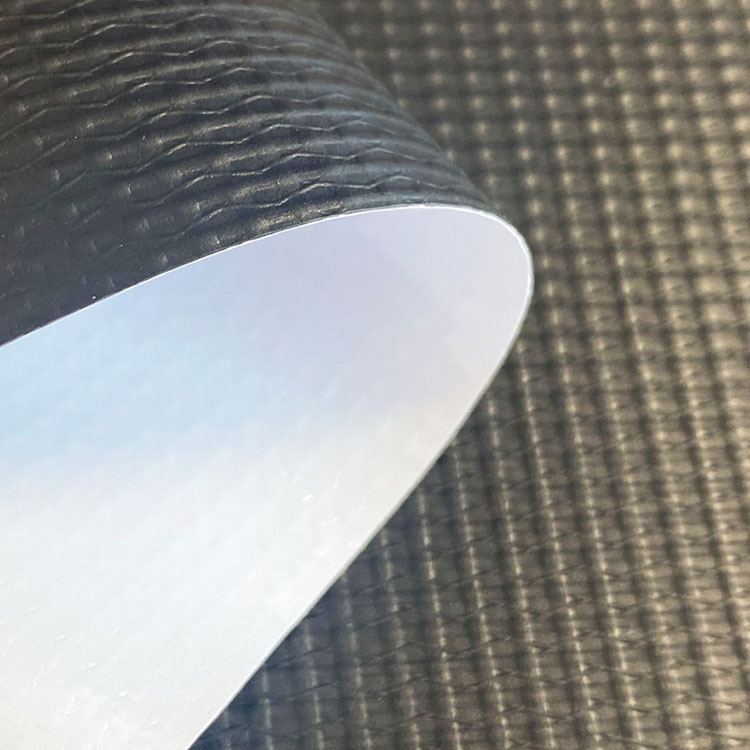
Industrial Base Fabric plays a foundational role in multiple heavy-duty applications ranging from construction reinforcement to filtration systems and composite manufacturing. This article explores its structure, performance characteristics, applications, and selection criteria in detail.
Abstract
Industrial Base Fabric is a critical engineered material designed to provide structural stability, durability, and functional adaptability in industrial environments. This article explains how it works, what it is made of, where it is used, and how businesses can select the right specification for different operational requirements. It also highlights common challenges users face, such as durability limitations, chemical resistance issues, and incorrect material selection, while offering practical solutions.
Table of Contents
- 1. Article Outline
- 2. What Is Industrial Base Fabric?
- 3. Structural Composition
- 4. How Industrial Base Fabric Works
- 5. Key Industrial Applications
- 6. Material Comparison Table
- 7. Selection Guidelines
- 8. Common Challenges and Solutions
- 9. Maintenance and Longevity
- 10. FAQ
Article Outline
- Definition and industrial relevance of base fabric
- Material structure and engineering principles
- Functional working mechanism under stress and load
- Application across multiple industrial sectors
- Comparison of material types and performance levels
- Selection and procurement considerations
- Maintenance strategies for extended lifecycle
What Is Industrial Base Fabric?
Industrial Base Fabric refers to a foundational textile or composite substrate engineered to serve as the structural backbone in industrial systems. Unlike ordinary textiles, it is designed to withstand high tension, mechanical stress, thermal fluctuations, and chemical exposure.
In modern manufacturing environments, companies such as Gaoda have developed advanced Industrial Base Fabric solutions that meet demanding performance requirements across industries including automotive, filtration, construction, and coating systems.
Structural Composition
The performance of Industrial Base Fabric depends heavily on its composition. It typically consists of synthetic fibers, polymer coatings, or reinforced woven structures designed to optimize strength and stability.
- Polyester fibers: Provide tensile strength and dimensional stability
- Fiberglass layers: Enhance heat resistance and rigidity
- Polyurethane or PVC coatings: Improve waterproofing and chemical resistance
- Hybrid composites: Combine multiple materials for specialized applications
The layering system ensures that the fabric performs consistently even under harsh operational conditions.
How Industrial Base Fabric Works
Industrial Base Fabric functions as a load-distribution and reinforcement medium. When mechanical force is applied, the fabric disperses stress evenly across its woven structure, reducing localized pressure points.
This working mechanism can be broken down into three functional stages:
- Stress Absorption: External force is initially absorbed by surface fibers.
- Load Distribution: Woven structure redistributes force across the entire fabric matrix.
- Structural Reinforcement: Coatings and composite layers maintain dimensional integrity.
This engineered response allows Industrial Base Fabric to perform reliably in environments where standard textiles would fail.
Key Industrial Applications
Industrial Base Fabric is widely used across multiple industries due to its adaptability and durability.
- Construction: Reinforcement layers for waterproof membranes and roofing systems
- Automotive: Interior lining materials and structural reinforcement components
- Filtration systems: Base layer in air and liquid filtration products
- Coating industry: Substrate for protective industrial coatings
- Energy sector: Insulation and protective wrapping materials
Each application requires specific performance characteristics, making material selection a critical decision.
Material Comparison Table
| Material Type | Strength Level | Heat Resistance | Chemical Resistance | Common Use |
|---|---|---|---|---|
| Polyester Base Fabric | Medium | Moderate | Moderate | General industrial use |
| Fiberglass Reinforced Fabric | High | High | High | Thermal insulation systems |
| Polyurethane Coated Fabric | Medium-High | Moderate | High | Waterproof applications |
| Composite Hybrid Fabric | Very High | Very High | Very High | Aerospace and heavy industry |
Selection Guidelines
Choosing the right Industrial Base Fabric requires careful evaluation of operational conditions and performance requirements. Below are key considerations:
- Expected mechanical load and stress levels
- Exposure to temperature extremes
- Contact with chemicals or corrosive agents
- Required lifespan and maintenance intervals
- Industry compliance standards
Manufacturers like Gaoda provide technical consultation to help industries match the correct fabric specification with application needs.
Common Challenges and Solutions
Despite its advantages, Industrial Base Fabric can face operational challenges if improperly selected or maintained.
- Delamination: Caused by poor coating adhesion → Solution: use high-bond polymer systems
- Mechanical fatigue: Repeated stress cycles → Solution: reinforced fiber weaving
- Chemical degradation: Exposure to acids or solvents → Solution: protective coatings
- Thermal distortion: High heat environments → Solution: fiberglass integration
Maintenance and Longevity
Proper maintenance significantly extends the service life of Industrial Base Fabric. Regular inspection and cleaning help preserve structural integrity.
- Inspect for micro-cracks or coating wear
- Avoid prolonged exposure to extreme UV radiation
- Store in dry, controlled environments
- Use compatible cleaning agents only
With correct handling, high-quality Industrial Base Fabric can maintain performance for extended operational cycles, reducing long-term replacement costs.
FAQ
Q1: What makes Industrial Base Fabric different from regular fabric?
It is engineered with reinforced fibers and coatings designed for industrial stress, unlike conventional textiles.
Q2: Can Industrial Base Fabric withstand chemical exposure?
Yes, depending on coating type, it can resist acids, alkalis, and industrial solvents.
Q3: Is it suitable for high-temperature environments?
Fiberglass-based variants are specifically designed for high heat resistance applications.
Q4: How long does it typically last?
Service life depends on usage conditions but can range from several years to over a decade with proper maintenance.
Q5: Where can I source reliable Industrial Base Fabric?
Professional suppliers like Gaoda provide tailored solutions for different industrial requirements.
Conclusion
Industrial Base Fabric is a foundational material in modern industrial engineering, offering strength, durability, and adaptability across multiple sectors. Its engineered structure ensures consistent performance under mechanical, thermal, and chemical stress. By selecting the correct type and maintaining it properly, businesses can significantly improve efficiency and reduce operational risks.
For customized solutions and technical support, Gaoda provides a wide range of Industrial Base Fabric products designed to meet demanding industrial standards.
If you are looking for reliable materials and expert guidance, please contact us at Gaoda to explore the right Industrial Base Fabric solution for your business needs.
Previous:No News